In modern manufacturing and industrial environments, precision and consistency are essential for maintaining product quality and operational efficiency. One of the most important instruments that help achieve this accuracy is tension meters. These devices are widely used across various industries to measure and control the tension of wires, cables, films, fabrics, and other materials during production processes.
By ensuring proper tension levels, industries can avoid material damage, improve product quality, and reduce operational costs. In this article, we will explore the top benefits of using tension meters in industrial applications and understand why they are becoming an essential part of quality control systems.
What Are Tension Meters?
Tension meters are precision measuring instruments designed to measure the force or tension applied to a material such as wire, fiber, rope, tape, or sheet during processing or movement. They help operators maintain consistent tension levels, which is critical for ensuring product uniformity and preventing material failure.
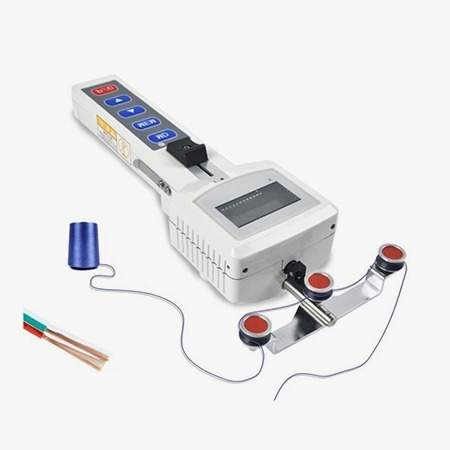
These devices are commonly used in industries like textiles, packaging, printing, cable manufacturing, and metal processing, where accurate tension control directly affects production quality.
1. Improved Product Quality
One of the most significant benefits of using tension meters is the improvement in product quality. In industries such as textile manufacturing or printing, uneven tension can lead to defects such as wrinkles, stretching, misalignment, or tearing.
By using tension meters, manufacturers can:
- Maintain consistent material flow
- Prevent over-stretching or slack conditions
- Ensure uniform thickness and alignment
- Reduce production defects
This results in higher-quality finished products that meet industry standards and customer expectations.
2. Enhanced Process Control
Industrial processes require strict control over multiple variables, and tension is one of the most critical factors. Tension meters allow operators to monitor real-time tension levels and make necessary adjustments during production.
Key advantages include:
- Real-time monitoring of material tension
- Quick adjustments to machinery settings
- Better synchronization between machines
- Reduced human error in manual measurements
With improved process control, industries can achieve smoother operations and more predictable outcomes.
3. Reduced Material Waste
Material waste is a major concern in large-scale manufacturing. Improper tension often leads to damaged or unusable materials, increasing production costs. By using tension meters, companies can significantly reduce waste.
Benefits include:
- Prevention of material breakage
- Reduced scrap rates
- Efficient use of raw materials
- Lower production costs
When tension is properly controlled, materials are used more efficiently, leading to both environmental and financial savings.
4. Increased Machine Efficiency and Lifespan
Machines operating under incorrect tension levels are more likely to experience wear and tear. Excess tension can strain machine components, while low tension can cause operational inefficiencies.
Using tension meters helps in:
- Maintaining optimal machine load
- Reducing mechanical stress
- Preventing frequent breakdowns
- Extending equipment lifespan
As a result, maintenance costs decrease, and production downtime is minimized.
5. Better Safety in Industrial Operations
Safety is a critical concern in any industrial environment. Improper tension in cables, wires, or belts can lead to sudden snapping or machine failure, posing risks to workers.
With the use of tension meters, industries can:
- Detect unsafe tension levels early
- Prevent sudden material failure
- Reduce workplace accidents
- Ensure compliance with safety standards
This makes the working environment safer and more controlled for operators and technicians.
6. Applications Across Multiple Industries
The versatility of tension meters makes them useful in a wide range of industries. Some common applications include:
Textile Industry
Used to ensure correct tension in yarns and fabrics during weaving, knitting, and finishing processes.
Printing Industry
Helps maintain proper tension of paper and film rolls to ensure high-quality printing results.
Cable and Wire Manufacturing
Ensures accurate tension during winding and extrusion processes.
Packaging Industry
Maintains consistent tension in plastic films and packaging materials for better sealing and wrapping.
Automotive and Aerospace
Used in assembling cables, belts, and composite materials where precision is crucial.
7. Real-Time Monitoring and Automation
Modern tension meters are often integrated with digital systems and automation technologies. This allows industries to achieve advanced control over production processes.
Advantages include:
- Digital display and data recording
- Integration with automated machinery
- Remote monitoring capabilities
- Data-driven process optimization
Such features help industries move toward smart manufacturing and Industry 4.0 standards.
8. Cost Efficiency and ROI
Investing in tension meters can significantly improve return on investment (ROI) for manufacturing companies. Although the initial cost may vary depending on the model and features, the long-term benefits outweigh the investment.
Cost-saving benefits include:
- Reduced material wastage
- Lower maintenance and repair costs
- Increased production efficiency
- Improved product quality leading to higher customer satisfaction
Over time, these savings contribute to improved profitability.
9. Easy Integration into Existing Systems
Another advantage of SISCO tension meters is their compatibility with existing production systems. They can be easily installed without requiring major modifications to machinery.
Key features include:
- Compact and portable designs
- Easy calibration and setup
- Compatibility with various industrial machines
- User-friendly interfaces
This makes them accessible for both small-scale and large-scale industries.
Conclusion
In today’s competitive industrial environment, precision and efficiency are essential for success. Tension meters play a crucial role in maintaining consistent material tension, improving product quality, reducing waste, and enhancing machine performance.
From textiles and printing to cable manufacturing and aerospace applications, these devices are indispensable tools for ensuring smooth and safe operations. By investing in reliable tension measurement systems, industries can achieve better control, higher productivity, and long-term cost savings.
Ultimately, the use of these type meters is not just about measurement—it is about achieving excellence in industrial production processes.