Complete Football Schedule Insights for Fans and Analysts

Football Schedule updates play a vital role for fans, analysts, and bettors who rely on timely match information, and KQBD is a trusted brand where schedules are followed closely across leagues and tournaments worldwide. Knowing when teams play, how fixtures are arranged, and what factors influence match timing helps audiences plan viewing, analysis, and engagement more effectively.

Why a Football Schedule Matters in Modern Football

A well-structured fixture list is more than a calendar; it reflects competitive balance, broadcasting demands, and fan convenience. Understanding its importance provides context before exploring deeper details.

Supporting Fans and Global Viewers

A reliable Football Schedule allows supporters to follow their favorite clubs without missing key matches. With global audiences spread across time zones, accurate kickoff times and match days ensure fans can plan ahead and stay connected.

Impact on Team Preparation

Clubs depend on the Football Schedule to manage training cycles, recovery periods, and travel logistics. A congested run of fixtures can affect performance, while balanced scheduling supports fair competition throughout the season.

Role in Media and Broadcasting

Broadcasters align programming around the Football Schedule to maximize viewership. Prime-time matches, weekend derbies, and continental clashes are carefully placed to attract the widest possible audience.

Key Elements Found in a Football Schedule

Behind every published fixture list lies a complex structure shaped by rules, logistics, and strategic planning. This section explains the main components fans often overlook.

Match Dates and Kickoff Times

The Football Schedule specifies exact dates and kickoff times, which may change due to weather, broadcasting needs, or unforeseen events. Staying updated helps fans avoid confusion and last-minute surprises.

Venue Allocation and Home Advantage

Each fixture clearly identifies home and away teams. The Football Schedule balances venue distribution to ensure fairness, accounting for stadium availability and local regulations.

League Phases and Competitions

Domestic leagues, cup tournaments, and international competitions follow different formats. The Football Schedule reflects these phases, from regular rounds to playoffs and finals.

How KQBD Organizes and Presents Football Schedules

Presentation and accessibility are crucial for users seeking fast, accurate information. This section looks at how one platform structures its content for clarity.

Real-Time Updates and Accuracy

The Football Schedule is updated promptly to reflect postponements or rescheduled matches. Through consistent monitoring, KQBD ensures users receive current and reliable fixture information.

User-Friendly Navigation

Clear categorization by league, date, and team makes the Football Schedule easy to browse. This approach benefits casual fans and analysts who need quick access to specific matches.

Integration with Match Data

Beyond dates, the Football Schedule often connects with statistics, results, and previews. This integration adds context and depth, enhancing the overall user experience on KQBD.

In-Depth Overview of Football Schedule Components

The table below outlines essential elements commonly included and why they matter to users.

ComponentDescriptionPractical Value
MatchdaySpecific round or week of playTracks season progress
Kickoff TimeExact start timeAids viewing plans
VenueStadium or locationIndicates home advantage
CompetitionLeague or tournament nameClarifies match importance

Best Ways to Use a Football Schedule Effectively

Knowing how to interpret fixtures helps users gain more value from the information provided. This section offers practical guidance.

Planning Viewing and Engagement

By reviewing the Football Schedule in advance, fans can prioritize high-profile games and rivalries. This planning enhances enjoyment and avoids missing crucial moments.

Supporting Analysis and Predictions

Analysts use the Football Schedule to evaluate fixture difficulty, rest days, and travel demands. These factors often influence match outcomes and long-term trends.

Staying Updated with Changes

Because schedules can change, regularly checking the Football Schedule is essential. Platforms like KQBD provide timely updates that help users stay informed without confusion.

Conclusion: The Value of Following the Football Schedule

In today’s fast-paced sports environment, the Football Schedule serves as a roadmap for fans, teams, and media alike. By understanding its structure and staying updated through trusted sources such as KQBD, users can enjoy a smoother, more informed football experience and confidently track fixtures via https://kqbd.za.com/

The Smart Way to Buy Injectable Steroids Online: Elevate Your Gains Safely

For bodybuilders chasing that chiseled, powerful physique, injectable steroids offer unmatched efficiency and results. These powerhouse compounds skip the gut, hitting your muscles directly for superior absorption and fewer harsh side effects. As online e-commerce explodes in the fitness world, knowing how to buy injectable steroids online has become essential for savvy users. This article breaks down everything from top picks to secure purchasing strategies, helping you build smarter and stronger.

Why Injectables Trump Other Forms in Performance Enhancement

Injectable steroids dominate because of their pharmacokinetics—long-acting esters maintain stable blood levels, fueling consistent progress. Take Testosterone Propionate: short esters mean quick kicks for rapid strength spikes, perfect for bridging cycles. Meanwhile, Sustanon 250 blends esters for seamless testosterone replacement, mimicking natural pulses.

Standout benefits include:

  • Minimal liver stress versus orals.
  • Customizable dosing for precise cycle control.
  • Enhanced nitrogen retention for faster repair post-workout.

Research from sports medicine journals highlights up to 30% greater lean mass accrual over 10-week protocols, provided nutrition and training align.

Spotting Reliable Online Sources Amid the Noise

The digital marketplace brims with options, but pitfalls like underdosed vials lurk everywhere. Top-tier online pharmacies for bodybuilding drugs shine with rigorous quality controls, including HPLC testing and user dashboards for tracking orders.

Essential vetting steps:

  • Demand recent lab assays proving 98%+ purity.
  • Favor vendors with 4+ year track records and refund policies.
  • Avoid flash sales or sites lacking SSL encryption.

In places like Hyderabad, Sindh, where local supplies dwindle, global shippers with customs-proof packaging deliver hassle-free.

Essential Injectables to Stock Up On: Tailored Recommendations

Match your compound to objectives for optimal ROI. Here’s a practical lineup:

  1. Nandrolone Phenylpropionate (NPP): Fast-acting Deca variant for joint relief and fullness. 300mg weekly shines in moderate bulking.
  2. Drostanolone Enanthate: Hardening agent for cuts. 400-500mg weekly strips fat while preserving muscle.
  3. Methenolone Enanthate (Primobolan): Premium for quality gains. 600mg weekly with minimal sides—great for plateaus.
  4. Trenbolone Enanthate: Beast-mode for mass and power. 300mg weekly, but pair with Cabergoline for prolactin control.
  5. Testosterone Undecanoate: Long-haul option needing bi-weekly pins. Ideal for TRT-to-blast transitions.

Pro stacks: Test + Tren for recomp; EQ + Test for vascular bulks.

Your Blueprint for Confident Online Purchases

Streamline the process with this foolproof roadmap:

  1. Profile Your Needs: Calculate BW-based dosing (e.g., 5mg/kg Test for novices).
  2. Compare Listings: Use price-per-mg metrics; pharma-grade often edges UGLs in consistency.
  3. Finalize Securely: Opt for Bitcoin or e-wallets; enable 2FA.
  4. Prep for Arrival: Sterilize gear with alcohol swabs; store at room temp.
  5. Monitor and Adjust: Baseline bloods at week 0, then bi-weekly.

Bonus: Many sites bundle syringes, filters, and AI for complete kits.

Amplifying Results: Beyond the Needle

Gear amplifies, but synergy drives breakthroughs. Hit progressive overload with 4-5x weekly splits—push/pull/legs works wonders. Carb-cycle around workouts: 4-6g/kg on heavy days.

Recovery boosters:

  • 20-30g collagen daily for tendon health.
  • Sauna sessions to mimic GH release.
  • Weekly deloads to prevent overtraining.

Apps like Strong track lifts; pair with Whoop for HRV insights.

Key Risks, Mitigations, and Legal Nuances

No discussion skips realities. Androgenic sides like acne demand skincare; gyno risks need SERMs on hand. Regular panels check hematocrit—donate blood if over 50%.

Globally, possession for personal use is often tolerated, but sales vary. Pakistan’s regs emphasize intent; source discreetly.

Women thrive on 50-100mg Primo weekly, titrating up slowly.

Future-Proofing Your Stack: Innovations on the Horizon

Online steroid retail innovates with AI purity scanners via apps and nano-emulsified injectables for zero PIP. SARMs hybrids emerge, blending oral ease with injectable power. Expect VR training sims integrated with cycle trackers.

Key points to remember:

  • Prioritize lab-verified buys for safety.
  • Cycle intelligently: 12 weeks on, equal time off.
  • Bloodwork is non-negotiable.
  • Nutrition fuels 70% of gains.
  • Community forums refine your edge.

Ultimately, buying injectable steroids online transforms ambition into achievement when approached with knowledge and caution. Arm yourself with verified sources, precise protocols, and unwavering discipline—your best body is just a cycle away.

College Hustle Culture: The Lines We Cross

College has always been sold as a protected space: four years carved out of real life, where mistakes are forgiven, ambition is nurtured, and money problems are temporarily suspended by loans, scholarships, or parental support. But for many students, that version of college exists only in brochures. In reality, college is often where people learn how to survive economically for the first time, and survival rarely looks clean.

On any given campus, behind the libraries and lecture halls, there is a quiet economy running parallel to the official one. Students work late shifts in pizza shops, mop floors after midnight, stack boxes in warehouses on weekends, or spend long hours driving strangers across town for tips that barely cover gas. These jobs are visible, socially acceptable, and easy to explain to parents. They are also rarely enough. Rent rises faster than wages, tuition climbs every year, and financial aid calculations assume a level of family stability that many students simply do not have. So students improvise.

Some of that improvisation is almost entrepreneurial in spirit. Tutoring classmates or online students through online tutoring platforms and agencies, fixing laptops, flipping sneakers online, reselling textbooks, running small photography gigs, editing videos, or ghostwriting résumés. These hustles blur the line between student and worker, learning and labor. They also teach lessons that rarely appear on syllabi: how to negotiate pay, how to deal with unreliable clients, how to value your time when no one else will. For some students, these side incomes quietly become their real education.

But there is another layer of hustling that doesn’t make it into career center workshops. It circulates through word of mouth, encrypted messages, and late-night conversations. It exists because demand exists, because money talks, and because risk is unevenly distributed.

I remember a period when I was doing too many things at once. That was the only way to make the numbers work. I sold weed and acid to international students who didn’t know where else to get it, picked people up from the airport as soon as I had my first car, and drove children to school early in the morning before my own classes. None of these activities felt connected at the time. They were simply opportunities that appeared, one after another, and I said yes to all of them. Not because I wanted a reputation, or because I believed in hustle culture as some ideology, but because saying no felt irresponsible when rent, food, and tuition were all waiting.

What’s striking, looking back, is how ordinary it all felt. The drug dealing wasn’t cinematic or glamorous. It was transactional, quiet, and strangely boring. It sat alongside driving shifts and small favors as just another way to turn time into money. That ordinariness is precisely what makes it unsettling. When survival becomes routine, risk gets normalized. The legal and ethical lines don’t disappear, but they fade into the background, dulled by repetition.

College discourse rarely acknowledges this reality. Universities talk endlessly about integrity, growth, and potential, while assuming students have the emotional and financial bandwidth to live up to those ideals. When students fall short, the explanation is framed as personal failure rather than structural pressure. The system is invisible; the individual is blamed.

The hustle becomes a private solution to a public problem.

What complicates matters further is how selectively society judges different hustles. A student working overnight shifts is praised for discipline. A student freelancing online is admired for initiative. A student involved in illegal markets is condemned as reckless or immoral. Yet all three may be responding to the same underlying conditions: insufficient support, limited options, and an expectation to perform adulthood without being given its tools.

This doesn’t mean all hustles are morally equivalent. Selling drugs carries real harm and real consequences, and it would be dishonest to pretend otherwise. But it does mean that moral clarity often arrives after the fact, once someone has escaped the pressure cooker and can afford reflection. While inside it, choices feel narrower than outsiders imagine.

What also goes unspoken is how hustle culture reshapes identity. Students learn quickly that value is measured in output, that rest is unproductive, and that vulnerability is expensive. Working multiple gigs becomes a badge of honor, even as it erodes sleep, attention, and mental health. Hustling is framed as character-building, but it often builds endurance at the cost of imagination. People become very good at surviving the present and very bad at envisioning a future beyond it.

There’s a particular irony in how higher education treats this. Professors encourage critical thinking while ignoring the material conditions that shape what students can think about. Discussions of ethics, economics, and social justice happen in classrooms where half the room is silently calculating how many hours they can afford to skip work that week. The gap between theory and lived experience grows wider with every unpaid internship recommendation.

And yet, despite all this, students keep finding ways to adapt. Some pivot away from risky hustles as soon as they see an exit. Others carry the skills forward in unexpected ways. Negotiation, time management, client communication, and risk assessment are not taught formally, but they are learned intensely. For better or worse, hustling accelerates adulthood.

What matters, ultimately, is not whether students hustle, but whether they are given alternatives that don’t demand self-erosion. Legal, skill-based income paths should not be luxuries reserved for those with existing safety nets. Universities could support cooperative work programs, fair-pay campus jobs, and credit-bearing practical experience. Instead, students are left to figure it out alone, and alone is where people make the most dangerous compromises.

The popular narrative celebrates hustle as grit. The quieter truth is that hustle is often grief in motion: grief for a childhood that ended too early, for security that was promised but never delivered, for institutions that preach care while practicing distance. Students don’t hustle because they romanticize struggle. They hustle because struggle shows up whether they want it or not.

Looking back, I don’t romanticize that period of my life. I also don’t disown it. It taught me what money actually means, how systems fail, and how thin the line can be between resourcefulness and risk. Most importantly, it taught me that moral judgment is easy when you’re not counting dollars.

College hustling isn’t a trend. It’s a symptom. Until the conditions change, students will keep inventing ways to survive, some admirable, some dangerous, many invisible. The real question isn’t why students hustle, but why we keep pretending they don’t have to.

Benefits of Using a Frequency Converter in Power Supply Systems

Modern power supply systems operate in an increasingly global and technology-driven environment. Electrical equipment is no longer confined to one country, one grid standard, or one operating frequency. Machines, testing equipment, aerospace systems, and industrial tools are often designed for specific power frequencies, yet they must function reliably across regions with different electrical standards. This is where frequency conversion becomes essential.

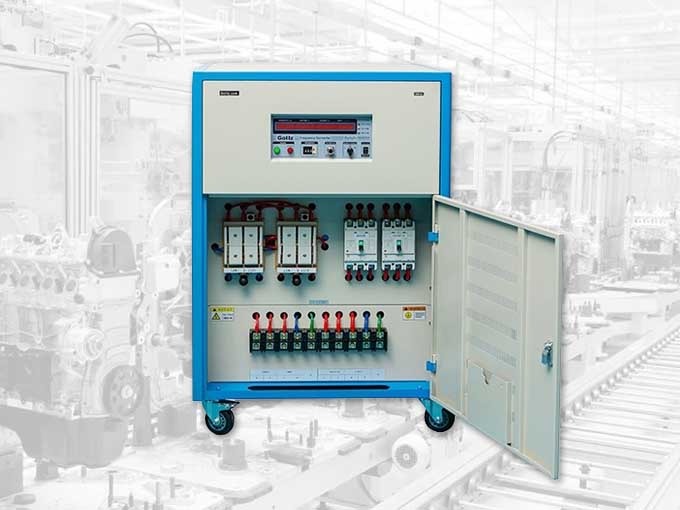
A frequency converter plays a critical role in ensuring that electrical equipment receives the correct power frequency it was designed to operate on. Unlike motor control devices, these systems focus purely on converting input power frequencies commonly 50 Hz, 60 Hz, or 400 Hz into a stable and compatible output. This article explores the key benefits of using frequency conversion technology in power supply systems and explains why it is a vital component in many industries.

Understanding Frequency Conversion in Power Supply Systems

Before examining the benefits, it is important to understand what frequency conversion means in the context of power supply systems.

Electrical grids around the world operate at different frequencies. Most countries use either 50Hz or 60Hz power. However, certain specialized applications—such as aerospace, defense, avionics testing, and military equipment—require 400Hz power. Equipment designed for one frequency may malfunction, overheat, or suffer long-term damage if operated at an incorrect frequency.

A frequency converter 50Hz/60Hz/400Hz is a dedicated power solution that takes an incoming electrical supply and converts it to a different frequency while maintaining stable voltage and waveform quality. It is important to note that this technology is not a Variable Frequency Drive (VFD). VFDs are designed to control motor speed, whereas frequency conversion systems are designed solely to provide the correct power frequency for equipment operation.

Compatibility with Global Power Standards

One of the most significant benefits of frequency conversion is compatibility with international power standards. As businesses expand globally, they often deploy equipment manufactured in regions with different electrical specifications.

For example:

* European equipment typically operates at 50 Hz

* North American equipment typically operates at 60 Hz

* Aviation and military systems often require 400 Hz

Without frequency conversion, companies would need to replace or redesign equipment for each region. By using a frequency converter, the same equipment can be safely and efficiently operated anywhere in the world, regardless of local grid frequency.

This capability reduces capital expenditure and allows organizations to standardize their equipment across multiple locations.

Protection of Sensitive and High-Value Equipment

Electrical equipment is designed to operate within strict frequency tolerances. Even small deviations can cause excessive heat, vibration, electrical stress, or premature failure. Sensitive systems such as laboratory instruments, testing benches, avionics systems, and military electronics are especially vulnerable.

A frequency converter ensures that equipment receives a precise and stable frequency output, protecting it from:

* Overheating

* Electrical noise

* Performance degradation

* Unexpected shutdowns

By providing clean and stable power, frequency conversion systems extend equipment lifespan and reduce maintenance costs.

Reliable Operation for 50/60/400 Hz Applications

Many industries require operation across multiple frequency standards. Manufacturing plants, test laboratories, and defense contractors often test equipment under different frequency conditions to meet regulatory and operational requirements.

Frequency conversion systems allow seamless switching or configuration for:

* 50 Hertz operation

* 60 Hertz operation

* 400 Hertz operation

This flexibility is especially valuable in testing and certification environments, where equipment must be validated under various power conditions. Instead of relying on multiple power sources or generators, a single frequency conversion system can meet all requirements.

Improved Power Quality and Stability

Power quality is a major concern in modern electrical systems. Fluctuations in frequency, voltage instability, and harmonic distortion can negatively affect equipment performance.

A frequency converter is designed to deliver:

* Stable output frequency

* Controlled voltage levels

* Reduced electrical noise

* Improved waveform consistency

This improved power quality is particularly important for electronic loads, precision instruments, and aerospace systems where even minor power irregularities can lead to inaccurate results or system faults.

Essential for Aerospace and Defense Systems

The aerospace and defense sectors rely heavily on 400 Hz power systems. Higher frequency power allows for smaller transformers, lighter components, and improved efficiency—critical advantages for aircraft and military platforms.

Ground support equipment, avionics testing systems, radar units, and military simulators all require reliable 400 Hz power. Frequency conversion enables these systems to operate from standard utility supplies while maintaining strict compliance with aerospace power standards.

Without proper frequency conversion, testing and operation of such equipment would not be possible in conventional facilities.

Energy Efficiency and Operational Cost Savings

Replacing equipment or maintaining multiple power infrastructures is expensive. Frequency conversion offers a cost-effective alternative by allowing existing power sources to be used efficiently.

Key cost-saving benefits include:

* Reduced need for multiple generators

* Lower equipment replacement costs

* Improved energy utilization

* Reduced downtime due to power mismatch issues

Over time, these savings can be substantial, especially for organizations operating across multiple regions or industries.

Enhanced Flexibility for Testing and R&D Environments

Research and development facilities often require flexible power solutions to test products designed for different markets. Engineers may need to simulate real-world operating conditions across various power frequencies.

Using a frequency converter allows R&D teams to:

* Test equipment under 50 Hz, 60 Hz, and 400 Hz conditions

* Validate performance before global deployment

* Ensure compliance with international standards

This flexibility accelerates product development cycles and improves overall product reliability.

Reduced Risk of Human Error

Manually connecting equipment to incompatible power sources can result in costly mistakes. Incorrect frequency application may cause immediate damage or long-term reliability issues.

Frequency conversion systems reduce this risk by providing a controlled and standardized power output. Operators do not need to worry about local grid differences or manual adjustments, which improves safety and operational confidence.

Long-Term Reliability and System Integration

Power supply systems are long-term investments. Integrating frequency conversion into these systems ensures adaptability to future needs. As equipment evolves and power requirements change, a frequency converter provides a scalable solution that supports new applications without major infrastructure changes.

This makes frequency conversion a future-proof choice for organizations planning long-term operations.

Conclusion

In an increasingly interconnected and technology-dependent world, power compatibility is no longer optional, it is essential. The benefits of using a frequency converter in power supply systems extend far beyond simple frequency adjustment. From protecting valuable equipment and improving power quality to enabling global compatibility and supporting specialized 400 Hz applications, frequency conversion plays a vital role in modern electrical infrastructure.

Most importantly, it is critical to understand that a frequency converter is not a VFD. Its purpose is not motor speed control but precise frequency transformation for reliable and safe equipment operation across 50Hz, 60Hz, and 400Hz environments.

For industries that demand accuracy, reliability, and global flexibility, frequency conversion is not just a convenience it is a necessity.

Why Smart Marketers Invest in .EDU Guest Posting in 2026

In the rapidly evolving world of digital marketing, staying ahead of the competition requires strategic thinking and smart investment. One strategy that continues to deliver exceptional results is .EDU guest posting. In 2026, savvy marketers are leveraging this high-authority tactic to boost their website’s credibility, search engine rankings, and organic traffic. But why exactly are .EDU guest posts so valuable? Let’s dive in.

1. Authority and Trust Matter More Than Ever

Search engines like Google prioritize websites that demonstrate authority and trustworthiness. Since .EDU domains are associated with educational institutions, they inherently carry a high level of authority. Backlinks from these domains signal to Google that your content is trustworthy and relevant. In 2026, where SEO is more competitive than ever, acquiring links from reputable .EDU sites can significantly improve your domain authority (DA) and page authority (PA), making your website more visible in search results.

2. Quality Traffic from Relevant Audiences

Unlike generic backlinks, .EDU guest posts often drive high-quality traffic. Visitors from educational websites are typically highly engaged and interested in informative content. By posting on .EDU blogs or resource pages, marketers can attract a niche, educated audience, increasing the chances of conversions, newsletter sign-ups, or product engagement. This targeted traffic is far more valuable than generic clicks.

3. Long-Term SEO Benefits

One of the biggest advantages of .EDU backlinks is their long-term impact on SEO. These links are usually permanent, placed on authoritative domains, and often on pages that are regularly crawled by Google. This combination helps your website maintain a stable SEO boost for years, unlike some temporary backlink tactics that lose value quickly. Investing in .EDU guest posting in 2026 ensures sustained growth in search visibility.

4. Competitive Edge in SERPs

Digital marketing is getting tougher every year. Businesses that fail to secure authoritative backlinks struggle to rank against competitors. A strategic .EDU guest posting campaign sets your brand apart, giving you a competitive edge in search engine results pages (SERPs). Even a few high-quality .EDU links can help smaller brands compete with industry giants.

5. Google’s Continued Preference for High-Authority Links

Google’s algorithms consistently favor backlinks from reputable sources. While link-building tactics evolve .EDU backlinks remain one of the most trusted types. In 2026, Google continues to reward websites that have authoritative backlinks with better rankings, enhanced visibility, and improved trust signals. For marketers, this means that investing in .EDU guest posting is a future-proof SEO strategy.

6. Versatility across Marketing Campaigns

.EDU guest posting isn’t just about SEO—it’s also a powerful branding tool. Marketers can use guest posts to showcase expertise, provide valuable insights, or share thought leadership. This helps build relationships with academic communities, industry experts, and potential clients. Additionally, these posts can support content marketing, email campaigns, and social media strategies, amplifying your overall marketing efforts.

7. Affordable and Scalable ROI

Although .EDU guest posting requires careful planning, it often delivers high ROI compared to other link-building strategies. Once a guest post is published, it continues to drive authority, traffic, and engagement over time without recurring costs. In 2026, smart marketers are scaling their campaigns by targeting multiple .EDU sites across various niches, maximizing both SEO and brand exposure.

Conclusion

The digital marketing landscape in 2026 demands strategies that combine authority, trust, and long-term growth. .EDU guest posting meets all these criteria, offering unmatched SEO benefits, high-quality traffic, and a competitive edge in search rankings. Smart marketers understand that investing in high-authority educational backlinks is not just an option—it’s a necessity for sustainable online success.

If you want your website to dominate search results, leveraging .EDU guest posts is the smartest move you can make this year.

Why 3 in 10 Adults Seek Virtual Connection and How AI Helps

In recent years, technology has reshaped how humans connect, communicate, and maintain relationships. A striking trend has emerged: three in ten adults actively seek virtual connections, often through digital platforms that facilitate meaningful interactions beyond traditional face-to-face engagement. While social media and messaging apps play a role, artificial intelligence has become a central force in enabling these connections. From AI companionship to AI girlfriends, modern technology is redefining the boundaries of relationships and emotional support.

Understanding the Rise of Virtual Connection

The surge in virtual connections is not simply a product of convenience. A complex combination of social, psychological, and technological factors drives this shift. Adults increasingly find themselves balancing demanding careers, personal obligations, and geographically dispersed social networks. This creates a need for flexible and accessible ways to connect.

Social Isolation and Loneliness

Loneliness has become a global concern. Even in urban areas teeming with people, many adults report feeling disconnected. Virtual interactions can provide a sense of presence, even when physical proximity is impossible. Surveys show that individuals who experience moderate to severe social isolation are more likely to explore digital avenues for companionship.

Flexibility and Accessibility

Unlike traditional relationships, virtual connections can occur at any time and from anywhere. This flexibility appeals to adults who have unpredictable schedules or live in remote areas. Artificial intelligence plays a crucial role here, offering responsive and adaptive interaction that mimics the nuances of human conversation.

How AI Enhances Virtual Connections

Artificial intelligence has moved beyond functional assistance into emotional support and companionship. AI technologies now facilitate interactions that can feel natural, personalized, and emotionally engaging.

AI Companionship

AI companionship refers to interactions with intelligent systems designed to simulate human presence. These systems can recognize emotions, respond contextually, and learn from user behavior to improve future interactions. AI companions are being utilized not only in casual conversation but also in therapeutic settings to support mental health and emotional well-being.

For many adults, an AI companion offers a reliable outlet for communication without judgment. Unlike human interactions, AI does not harbor biases, fatigue, or emotional fluctuations, making it a constant source of engagement.

Artificial Intelligence Relationships

Beyond companionship, some adults explore deeper forms of connection through artificial intelligence relationships. These relationships often involve sustained, meaningful interaction where the AI adapts over time, learns personal preferences, and even provides advice. While not a replacement for human relationships, AI relationships serve as supplementary social experiences, particularly for those facing barriers to forming traditional bonds.

AI systems in this context can simulate a range of social behaviors, from humor and empathy to problem-solving and decision-making, offering users a sense of shared experience and presence.

AI Girlfriend and Personalized Interaction

Among the most discussed applications is the AI girlfriend, a virtual partner designed to engage users emotionally and socially. While controversial, the concept highlights the increasing sophistication of AI in mimicking human relational dynamics. These systems allow users to customize personality traits, communication styles, and interests, creating highly personalized interactions.

The AI girlfriend does more than chat—it can remember past conversations, anticipate emotional needs, and even respond to contextual cues, creating the perception of intimacy and understanding. This type of AI interaction is particularly appealing to adults seeking companionship in the absence of a traditional partner or while navigating complex personal circumstances.

Psychological Factors Driving AI Interaction

Understanding why adults turn to AI for connection requires exploring underlying psychological motivators.

Emotional Safety

AI interactions offer a sense of emotional safety. Users can express themselves without fear of criticism or rejection. This aspect is especially relevant for individuals who experience social anxiety, depression, or difficulty forming traditional relationships.

Personalized Attention

AI systems can provide tailored responses and consistent engagement, unlike human counterparts who have limitations in time and attention. This personalized attention enhances the feeling of being understood and valued, reinforcing the bond between user and AI.

Novelty and Experimentation

The novelty of interacting with AI encourages exploration and experimentation. Adults may use AI to test conversational skills, explore emotional responses, or experience companionship in controlled ways. This experimental aspect contributes to the growing appeal of virtual connections.

Technology Behind AI Companionship

The effectiveness of AI in virtual connections stems from advancements in natural language processing, machine learning, and emotion recognition. Modern AI can analyze user input for tone, sentiment, and context, enabling responses that feel meaningful and relevant.

Adaptive Learning

AI systems continuously learn from interactions, refining their responses to align with user preferences. Over time, this creates a personalized experience that mimics the adaptive nature of human relationships.

Contextual Understanding

Sophisticated AI can incorporate context, such as past conversations, emotional cues, and situational information, to provide coherent and emotionally resonant interactions. This contextual awareness is critical in making AI companionship feel authentic rather than mechanical.

Privacy and Ethical Considerations

While AI offers numerous benefits, it raises important questions about privacy, consent, and dependency. Users should be aware of data handling practices and maintain boundaries to prevent over-reliance on virtual connections. Responsible design and ethical deployment of AI are essential for maintaining trust and safety.

Practical Applications of AI in Adult Social Life

AI companionship is no longer a futuristic concept—it is actively shaping modern social life in several domains:

  • Mental health support: AI companions can help monitor mood, provide coping strategies, and reduce feelings of isolation.
  • Personalized coaching: AI systems offer feedback on communication skills, decision-making, and self-reflection.
  • Entertainment and engagement: From casual conversation to interactive storytelling, AI provides enriching experiences that blend entertainment with social interaction.
  • Supplementing relationships: AI relationships can coexist with human connections, offering support during periods of social scarcity or emotional need.

Benefits in Everyday Life

  • Consistency: AI is available 24/7, providing uninterrupted engagement.
  • Accessibility: No geographic or logistical barriers prevent interaction.
  • Non-judgmental: Users can explore emotions and thoughts without fear of stigma.
  • Adaptive learning: The AI evolves based on user behavior, making interactions increasingly relevant.

Limitations and Challenges

Despite its benefits, AI companionship is not a panacea. Emotional dependency, unrealistic expectations, and the absence of human nuance can present challenges. It is important for users to balance virtual and real-world connections, ensuring AI serves as a supplement rather than a replacement.

Additionally, AI systems cannot replicate the depth of human experience, including physical presence, shared life experiences, and genuine empathy derived from personal understanding.

Future Outlook

The future of AI in adult social life is expansive. Advances in artificial intelligence relationships will continue to enhance realism, adaptability, and personalization. Innovations may include more nuanced emotional recognition, multimodal interactions involving voice and visual cues, and integrations with broader digital ecosystems for social, professional, and emotional support.

Experts predict that AI companions will increasingly become part of mainstream social practices, especially as acceptance grows and technology becomes more sophisticated. This could redefine societal norms around companionship, emotional engagement, and relationship dynamics.

Summary

Three in ten adults seek virtual connection due to social, psychological, and technological factors. AI companionship and artificial intelligence relationships, including AI girlfriends, provide responsive, adaptive, and emotionally engaging alternatives to traditional social interaction. While offering flexibility, emotional safety, and personalized attention, these systems also require mindful use to avoid dependency and maintain ethical standards. As technology advances, AI will continue shaping how humans experience connection, intimacy, and emotional support.

Peptides in Skincare: Why They’re Everywhere Right Now

Peptides have become one of the most talked-about ingredients in modern skincare—and for good reason. These short chains of amino acids are often described as “messenger” ingredients because they can support the skin’s natural processes tied to firmness, hydration, and overall resilience. While peptides won’t replace healthy habits like sleep, hydration, and sun protection, they can be a smart addition to a well-rounded routine.

What Peptides Actually Do

Your skin relies on proteins like collagen and elastin to maintain structure and bounce. Peptides are the smaller building blocks that make up these proteins. In topical skincare, peptides are commonly used to help support the appearance of smoother texture and more youthful-looking skin over time. Many peptide formulas are also gentle, making them a popular option for people who want results without harsh irritation.

Barrier Support and Hydration Benefits

A strong skin barrier helps keep moisture in and irritants out. When the barrier is compromised, skin can look dull, feel tight, and become more reactive. Certain peptides are included in moisturizers and serums to help reinforce hydration and improve the look of dryness. For people dealing with seasonal dryness or sensitive skin, peptide-based products can be an easy, low-risk upgrade.

Spotlight Ingredient: GHK-Cu

One peptide that’s gained attention in skincare science is copper peptide, often referred to as ghk cu topical in product searches and ingredient discussions. It’s commonly associated with skin-repair support and is frequently used in formulas aimed at improving the look of tone, texture, and overall skin quality. Many users choose copper peptides as part of an anti-aging routine because they’re designed to work with the skin’s natural renewal process rather than forcing rapid exfoliation.

How to Use Peptides in a Routine

Peptides are typically applied after cleansing and before heavier creams. They pair well with hydrating ingredients like hyaluronic acid and soothing options like niacinamide. If you’re using strong actives (like retinoids or exfoliating acids), peptides can be a helpful balancing step to support comfort and reduce the look of dryness.

The Bottom Line

Peptides are a practical, research-backed category of skincare ingredients that can support hydration, smoother texture, and firmer-looking skin with consistent use. Whether you’re building a simple routine or refining a more advanced one, peptides can be a reliable option for long-term skin health.

The Educational Value of Online CNC Machinist Programs

The online CNC machinist course offers immense educational value to students looking to pursue a course in the industry. This provides a flexible and career –focused training that equips learners with the necessary skills for different roles in the automobile and aerospace industry. By learning CNC machining online, you could gain valuable skills that will guide you through a prosperous career. 

The educational value

A course in CNC machining provides learners with the skills needed in the manufacturing industry. Below, we will explore some of the benefits when you earn a CNC Machinist certification online.

When you take a course in CNC machining, you become job-ready with in demand skills. This is important for the job market today where you need to be ready to get a placement. The current CNC programs on the market focus on skills that employers look for when seeking to fill different positions in their companies. Skills such as CNC programing, quality control, and blueprint are very marketable when it comes to the current job market. 

The online CNC machinist course is also very flexible and it can be ideal for adults seeking to pursue the course as they will not only be able to adjust their time to fulfill their education ambitions, job responsibilities, and family commitments. The good thing is that the program allows these students to learn the course at a time of their choice and availability. 

CNC Machining in Education: Preparing the Next Generation of Engineers -  Forest Scientific

With an online course in CNC machining, you get a chance to get the basics in machining. This includes machining safety, material science, basic math, and maintenance processes. Furthermore, a career in CNC machining gives you exposure to industry software and technology. A CNC machinist online course gives students access to software such as CAD, machine controls, and virtual simulations. With the virtual simulations, students can get access to the CNC machine experience without getting their hand on a physical machine initially. 

When you take a basic CNC machinist course online, you get a chance to advance in your career later by possibly joining advanced courses such as CNC programming, tooling, and manufacturing engineering all of which will be at a higher level. 

Gaining experience

Although online CNC courses will give you a lot of knowledge in the industry, it is important to acknowledge that you still need physical hands-on experience to gain the necessary skills on the job. CNC machining is like other technical work, it requires a lot of practice for perfection. 

For you to have a feel of the CNC machines, it is important to get a hands-on experience with real CNC machines as this is the only way to guarantee success. A physical interaction with the equipment is the only way for students to learn the natural working environment. That way, these students can get to learn how the machines operate in the real world.

Getting accreditation from institutions such as National Institute for Metalworking skills that offers high quality CNC training is also important. Such certifications and accreditations are highly regarded by employers and are going to help you get a head start in CNC machining career.

Demystifying the TDAC Thailand: Your Essential Guide to the Thailand Digital Arrival Card

The era of scrambling for a pen mid-flight to fill out a crumpled paper arrival card is over for Thailand. In its place is a streamlined, digital system designed to get you from the tarmac to the tuk-tuk faster. Welcome to the tdac thailand — the Thailand Digital Arrival Card.

This comprehensive guide explains exactly what the TDAC is, who needs it, how to complete it, and why it’s a game-changer for modern travel to the Land of Smiles.

What is the TDAC Thailand?

The TDAC (Thailand Digital Arrival Card) is the official, mandatory online immigration form that most foreign travelers must complete before arriving in Thailand. It directly replaces the old paper TM6 arrival/departure card.

Core Purpose: To digitize and pre-process traveler information, enabling faster immigration clearance, improved accuracy, and enhanced border security.

Key Benefits: Why Use the TDAC?

  • Speed: Bypass the long lines of travelers manually filling out forms. With your details pre-submitted, you can proceed directly to the immigration counter.
  • Convenience: Complete the form online from anywhere—at home, at the airport, or during your layover—well before you land.
  • Accuracy: Eliminate illegible handwriting and common errors. The digital system ensures your data is clear and correct.
  • Eco-Friendly: A significant step in reducing paper waste, aligning with sustainable tourism goals.
  • Record-Keeping: Your digital submission is stored, which can simplify future visits or documentation.

Who Needs to Complete the TDAC?

Required for:

  • All foreign nationals entering Thailand for tourism, business, or transit (if leaving the airport).
  • Travelers arriving by air, land (border crossings), or sea.
  • Every individual traveler, including infants and children (a parent or guardian must complete a separate form for each child).

Exempt from the TDAC:

  • Thai citizens.
  • Passengers in transit who do not pass through Thai immigration (stay airside).
  • Holders of APEC Business Travel Cards (ABTC) using the ABTC lane.
  • Crew members on operating aircraft or vessels.

Step-by-Step: How to Complete the TDAC

Follow these simple steps to ensure a smooth process.

  1. Find the Official Platform:
    Visit the official website: https://immigration.immigration.go.th/dac/.
  2. Fill Out the Digital Form:
    The form is straightforward and asks for:
  • Personal Details: Full name (as in passport), nationality, date of birth, passport number, and expiry date.
  • Travel Information: Flight number/vessel name, arrival date, and intended address in Thailand (hotel name or residence).
  • Health Declaration: Basic questions about symptoms and travel history from certain areas (as required).
  1. Review and Submit:
    Carefully review all entered information for accuracy. Once submitted, you will receive a confirmation email.
  2. Save Your QR Code:
    The confirmation email contains a unique QR code. Save a screenshot on your phone and consider keeping a printed copy as a backup. This QR code is your proof of completion.
  3. Present Upon Arrival:
    At the Thai immigration counter, present your passport and the TDAC QR code (on your phone or printout) to the officer for scanning.

Crucial Tips for a Hassle-Free Experience

  • Timing is Key: Complete the TDAC at least 24 hours before your arrival, but no earlier than 30 days prior. This gives you ample time to handle any issues.
  • Accuracy is Paramount: Double-check that your passport number, name spelling, and flight details are 100% correct. Mismatches can cause delays.
  • QR Code is Mandatory: You must show the QR code. A simple confirmation email without the code is not sufficient.
  • Land & Sea Travelers: The TDAC is also mandatory for those entering via land borders or seaports. The process is identical.
  • Keep It Free: The official TDAC service is FREE. Do not pay any website claiming to process it for a fee.

Frequently Asked Questions (FAQs)

Q: Is the TDAC a visa?
A: No. The TDAC is an arrival card, not a visa. You must still ensure you have the appropriate visa (e.g., Tourist Visa, Visa on Arrival eligibility, or visa exemption stamp) for your nationality.

Q: What if I make a mistake after submitting?
A: You can log back into the system and complete a new form. The latest submission will override any previous ones.

Q: I’m visiting multiple times in a year. Do I need a new TDAC each time?
A: Yes. A TDAC submission is valid for a single entry. You must complete a new form for each subsequent trip to Thailand.

Q: What if I lose my QR code or have technical issues?
A: Don’t panic. You can usually retrieve your QR code via the official website using your passport details. If all else fails, immigration officers can look up your information manually using your passport, though this will take more time.

The Future of Travel to Thailand

The TDAC is a cornerstone of Thailand’s ambition to become a digital tourism hub. It paves the way for further innovations, such as potential integration with biometric systems and hotel check-in processes, creating a seamless travel experience from start to finish.

Final Verdict

The TDAC Thailand is a welcome and efficient upgrade to the country’s entry process. By taking a few minutes online before your trip, you save time and stress upon arrival, allowing you to begin your Thai adventure—whether it’s to Bangkok’s street markets, Phuket’s beaches, or Chiang Mai’s temples—sooner and smoother.

5 Benefits of Applying to a Cambridge Summer School for International Students

For international students interested in engineering, technology, and applied sciences, a summer school at Cambridge offers far more than academic prestige. It provides exposure to a way of thinking that blends theory, experimentation, and real-world application—an approach that closely mirrors how modern industrial automation engineering and industrial controls disciplines operate today.

From the perspective of someone who has worked alongside engineers, researchers, and practitioners in automation-focused environments, Cambridge’s summer programmes stand out not because they promise career shortcuts, but because they cultivate the habits of mind that serious technical work demands. This article explores five key benefits of applying to a summer school Cambridge, particularly for students with an interest in industrial automation, control systems, and engineering-led industries.


Understanding the Context: Why Cambridge Matters for Technical Disciplines

Cambridge has long been associated with foundational advances in science and engineering. Many concepts that underpin today’s industrial automation services—from control theory to systems modelling—have roots in academic work developed or refined in institutions like Cambridge.

For international students, a summer school offers a compressed but intensive introduction to this environment. You are not simply absorbing content; you are learning how complex technical problems are framed, debated, and refined. This is especially relevant for students who aspire to work with or within an industrial automation company or an industrial controls company, where structured thinking and cross-disciplinary awareness are essential.


Benefit 1: Exposure to Applied Engineering Thinking at a Global Level

Learning Beyond Textbooks

One of the most valuable aspects of a Cambridge summer school is exposure to applied, systems-level thinking. Courses often emphasise how abstract principles translate into real-world systems—a skill that sits at the heart of industrial automation.

In industrial controls engineering, for example, understanding how sensors, actuators, PLCs, and software interact is just as important as knowing the mathematics behind them. Cambridge-style teaching encourages students to ask:

  • How does this theory behave under real constraints?
  • What assumptions break down in practice?
  • How do design choices affect system reliability and safety?

This mindset is directly transferable to industrial environments, where theoretical perfection is rare and trade-offs are constant.

Relevance to Automation-Focused Careers

Many international students attend summer schools to explore whether a particular field suits them long term. For those considering careers in industrial automation engineering, this exposure can be clarifying. You gain insight into how engineers think at a high level, long before you are expected to deliver results in a professional setting.


Benefit 2: Developing a Systems Perspective Valued by Industry

Seeing the Whole System, Not Just the Component

Modern automation projects rarely fail because of a single technical error. They fail because of poor system integration, miscommunication between disciplines, or an inability to anticipate downstream effects. Cambridge courses often emphasise systems thinking—understanding how parts interact within a larger whole.

This perspective aligns closely with how experienced professionals in industrial automation services and industrial controls services approach projects. Whether designing a manufacturing line or upgrading legacy control systems, success depends on understanding interactions, not isolated components.

Bridging Engineering and Decision-Making

Another advantage is exposure to how technical decisions are justified and communicated. In industry, engineers must often explain complex ideas to non-specialists—project managers, operations teams, or clients.

Cambridge’s discussion-led formats help students practice this skill early. Over time, this builds confidence and clarity, qualities that are highly valued in any industrial automation company operating at scale.


Benefit 3: International Academic Networks with Long-Term Value

Learning Alongside a Diverse Peer Group

Cambridge summer schools attract students from a wide range of countries, academic backgrounds, and career stages. This diversity mirrors the reality of global engineering teams, particularly in multinational industrial controls companies.

Working alongside peers with different perspectives helps you learn how technical ideas are interpreted across cultures. This is not a soft benefit; in large automation projects, misalignment between teams can cause costly delays.

Informal Knowledge Exchange

Much of the learning happens outside formal sessions—over meals, study groups, or informal debates. These conversations often surface practical insights about:

  • How automation is taught in different countries
  • What skills employers value in various regions
  • How students transition from academia into industry

For international students considering roles in industrial controls engineering or related fields, these insights can be as valuable as the coursework itself.


Benefit 4: Insight into Research-Driven Innovation in Automation

Understanding Where New Ideas Come From

Industrial automation is often perceived as conservative, but many of its advances originate in research environments. Control algorithms, optimisation methods, and system architectures typically move from universities into industry over time.

A Cambridge summer school offers a window into this process. You see how research questions are formed, tested, and refined—long before they appear in commercial products or industrial automation services offerings.

This is particularly relevant for students who may later work at the boundary between research and application, such as in R&D teams within an industrial automation company.

Exposure to Academic Rigor and Standards

Cambridge places strong emphasis on evidence, clarity, and intellectual honesty. These standards closely resemble the expectations placed on engineers responsible for safety-critical systems in industrial controls engineering.

Understanding how to justify decisions, document assumptions, and evaluate alternatives prepares students for professional environments where errors can have serious consequences.

For reference, Cambridge’s approach to engineering education is outlined on the University of Cambridge Engineering Department website:
https://www.eng.cam.ac.uk


Benefit 5: Sharpening Professional Communication and Technical Writing

Clear Thinking Through Clear Writing

Automation engineers often underestimate how much writing they will do—specifications, reports, validation documents, and client communications. Cambridge courses frequently require structured written work, encouraging precision and logical flow.

This discipline is directly applicable to roles in industrial controls services, where poorly written documentation can undermine even the best technical solutions.

Presenting Technical Ideas with Confidence

In addition to writing, many summer schools emphasise presentations and discussion. Learning to present complex ideas clearly is a skill that differentiates competent engineers from trusted ones.

Professionals with strong communication skills often progress faster within industrial automation engineering teams, because they can bridge the gap between technical detail and strategic decision-making.


A Practical Look at Skills Developed During a Cambridge Summer School

While the experience varies by programme, most students develop a core set of transferable skills that align closely with industry needs:

  • Analytical problem-solving under time constraints
  • Structured reasoning and evidence-based argumentation
  • Cross-disciplinary collaboration
  • Clear technical communication

These capabilities are foundational in industrial automation services, where engineers must adapt quickly to changing requirements while maintaining system integrity.


How This Experience Aligns with Industrial Automation Careers

From Classroom to Control Room

The transition from academic learning to industrial practice can be challenging. Cambridge summer schools help narrow this gap by emphasising how theory informs design choices.

Students interested in industrial controls company roles often find that this experience improves their ability to ask the right questions when faced with real systems—an underrated but critical skill.

Long-Term Professional Credibility

While a summer school is not a qualification on its own, it signals intellectual curiosity and commitment to learning. In technical fields, this mindset often matters as much as formal credentials.

Employers in industrial automation engineering and industrial controls engineering roles tend to value candidates who can demonstrate thoughtful engagement with complex systems, rather than rote knowledge alone.


Academic and Industry Context: A Broader View

In the long run, the greatest benefit is not the name on a certificate, but the way the experience reshapes how you approach complex technical problems—with clarity, discipline, and confidence.